
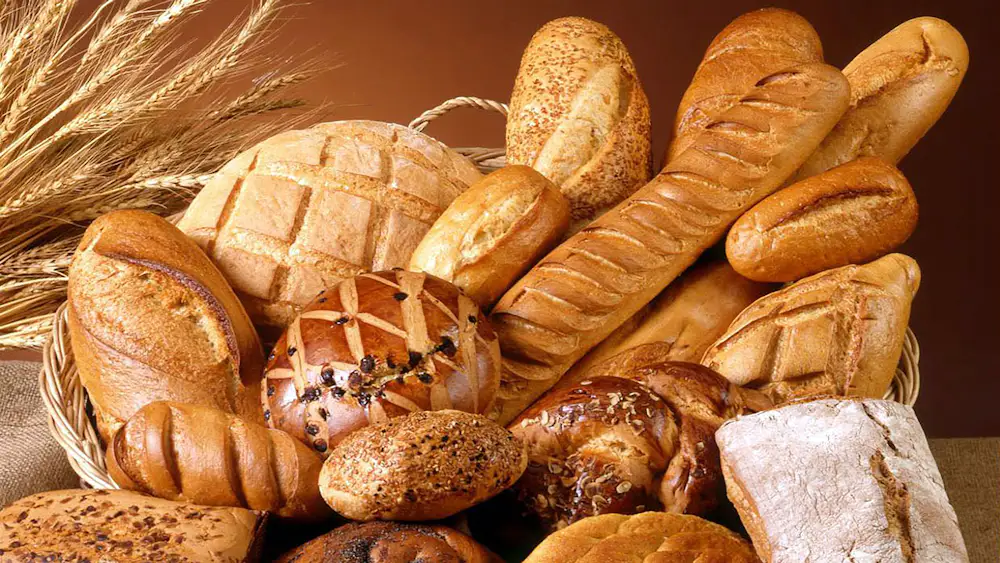
Ask anyone who grew up in Goa what they miss most when they leave, and a surprising number will say the bread. Goan poee bread (also spelt poi, poie or poiee) is a round, flattish loaf with a hollow pocket inside and a dusty coating of wheat bran outside. It is baked in wood-fired ovens, sold within hours, and eaten with everything from sausage to curry to a simple cup of tea. It is one of the clearest everyday links between Goa and its Portuguese past.
Quick answer: Poee is a leavened Goan bread, round and pita-like, made from a mix of refined and whole wheat flour, often coated with bran. Traditionally the dough was fermented with toddy (coconut palm sap) and baked directly on the floor of a wood-fired oven, which makes it puff up and form a pocket. It is delivered fresh by village bakers called poders and eaten split open with choris, curries, bhaji or omelette.
What makes poee different from other Goan breads
Goa has a small family of everyday breads, and poee is easy to confuse with its siblings. Here is how they compare.
| Bread | Shape and texture | Typical use |
|---|---|---|
| Poee / poi | Round, flat, hollow pocket, bran-dusted, chewy | Split and stuffed, or torn into curry |
| Pao | Soft, square-ish rolls baked together in a tray | Bhaji pao, soaking up gravies |
| Undo (katre pao) | Denser round roll with a crisp crust and a cut on top | Thick gravies, breakfast |
| Kakonn | Hard, ring-shaped, crunchy, keeps for days | Dunked in tea or coffee |
Poee and pao can come from the same dough. The difference is in the baking: poee is slapped straight onto the hot oven floor, where the intense heat makes it balloon, while pao is baked in a pan. Bakers usually fire the poee first, while the oven is at its hottest.
How poee is made
The flour
Most descriptions put the dough at roughly half maida (refined flour) and half whole wheat. The bran on the outside is partly for flavour and partly practical: it stops the loaves sticking to the oven floor and to each other in the basket.
The ferment
Traditional Goan bakers leavened their dough with sur, the fresh sap of the coconut palm, which ferments naturally. It gave the bread a faint tang. Today most bakeries use commercial yeast, and toddy-leavened bread is a speciality you have to seek out.
The oven
Poee is baked in a domed wood-fired oven, typically for only a couple of minutes. The blast of heat is what creates the pocket. A good poee should be lightly charred in spots, soft and slightly chewy inside, and still warm when you buy it.
The poder: Goa’s travelling baker
The poder (from the Portuguese padeiro, baker) is one of Goa’s most familiar figures. Early in the morning, and in some villages again later in the day, the poder cycles through the lanes with a large bamboo basket strapped to the carrier, announcing himself with the honk of a rubber bulb horn. Households come out to buy poee, pao and undo straight from the basket.
The trade is traditionally family-run and passed down through generations. In recent years many bakers have switched from bicycles to scooters, and newspaper features in Goa regularly worry about the decline of the craft as younger people move into other work. If you are staying in a village near Vagator, listen for the horn around breakfast time; it is the freshest poee you will find.
How to eat poee
- Choris pao: spicy Goan pork sausage cooked down with onions, stuffed into a split poee or pao. A classic snack at feasts.
- With curry: tear it and use it to scoop xacutti, cafreal gravy, or a thick fish curry.
- Bhaji poee: a breakfast of spiced potato or pea bhaji with bread, often with a cup of sweet tea.
- Omelette poee: a masala omelette folded into the pocket, Goa’s answer to the egg sandwich.
- Plain with butter: warm poee with butter and tea is simple and very good.
Poee is at its best on the day it is baked. If you buy extra, warm it briefly on a dry tawa the next morning to bring it back to life.
Poee bread on the Dubki menu
Dubki uses Goan poee as the base for one of its vegetarian starters. The Grilled Mediterranean Poiee Sandwich (₹545) fills the bread with grilled vegetables and three dips: tzatziki, hummus and muhammara. It is a neat example of the local loaf doing a job a pita would normally do, which makes sense, as the two breads are cousins in shape and texture. Allowing for the 10% service charge and around 5% GST, it works out at roughly ₹630 (an estimate).
Our guide to the Grilled Mediterranean Poiee Sandwich goes into what is inside it, and the Dubki menu with prices shows where it sits in the starters list. The dips themselves are explained in our mezze guide to tzatziki, hummus and muhammara.
FAQs
Is poee the same as pita?
They are similar in shape and both have a pocket, but poee is usually coated in bran, slightly chewier and traditionally fermented with toddy.
Where can I buy fresh poee in North Goa?
From the local village bakery or from the poder doing his rounds in the morning. Bakeries usually sell out early.
Is poee vegan?
Traditional poee is made from flour, water, leavening and salt, so it is usually vegan, but recipes vary between bakeries.
How do you spell it?
Poee, poi, poie and poiee all appear on Goan menus and shop signs. They refer to the same bread.
For more on the vegetarian plates that use Goan ingredients, see the Dubki vegetarian menu.
Pingback: Dubki Poiee Sandwich: Goan Bread Meets Levantine Mezze - Dubki Menu