
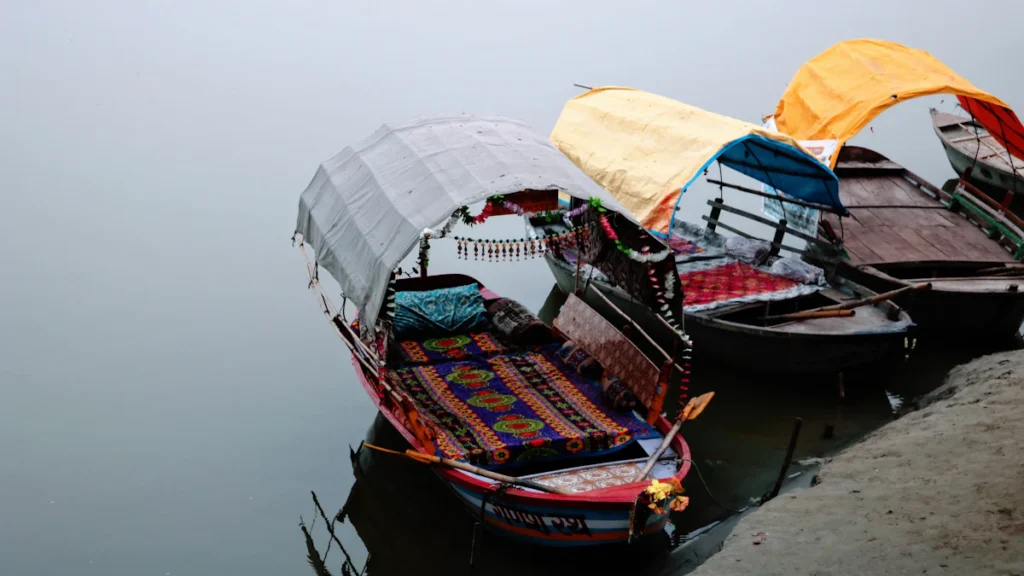
Every year, just as the monsoon arrives, Goa’s big fishing boats stay in harbour for two months. The goa fishing ban is part of a uniform closed season on India’s west coast, designed to give fish and prawns a chance to breed. If you are visiting for seafood, knowing when it applies, and what to order before, during and after it, makes a real difference to what lands on your plate.
Quick answer: Goa’s annual fishing ban runs for 61 days from 1 June to 31 July. It stops mechanised trawlers and purse seiners from fishing, while small motorised canoes using gill nets have traditionally been exempt. Seafood is still sold during the ban, but supply is lower, prices are higher and more of it is frozen. The best months for fresh seafood are roughly October to March.
What the fishing ban is and why it exists
The ban covers the main breeding period for many fish and crustaceans during the south-west monsoon. The 61-day duration is set at national level for the whole west coast, and Goa’s Directorate of Fisheries notifies it every year. It also keeps boats off the water when seas are at their roughest, so there is a safety reason as well as a conservation one.
In 2026 the ban began on 1 June as usual. Goan fishing communities and conservationists have been asking for a longer closed season to help depleted stocks recover, and the state has said it is looking at the question with the Centre. Dates could change in future years, so check the local news if you are travelling in late May or early August.
Who it applies to
- Banned: fishing by vessels with mechanical propulsion, including trawlers and purse seiners.
- Traditionally exempt: registered canoes with small outboard or inboard motors (historically up to 10 HP) using gill nets, plus non-motorised traditional fishing.
What happens to seafood during the ban
Restaurants do not stop serving fish. What changes is where it comes from:
- Less local catch. Canoe fishing continues in calmer spells, but volumes are small and weather-dependent.
- More frozen and stored seafood. Kitchens stock up before June or buy from cold storage.
- Fish from elsewhere. Some supply arrives by road from other states.
- Higher prices. Market prices for popular fish such as kingfish and pomfret typically rise.
Frozen seafood is not a problem in itself; well-handled frozen prawns can be excellent. The issue is transparency, so it is fair to ask.
A seafood calendar for Goa
| Period | Supply | What to order |
|---|---|---|
| August–September | Mechanised fishing resumes; first catches arrive | Prawns, mackerel, sardines once boats are back out |
| October–March | Peak season, good weather, steady catch | Kingfish, pomfret, crab, calamari, mussels, oysters |
| April–May | Still good, but heat rises and stocks thin before the ban | Mackerel, prawns, fried fish |
| 1 June–31 July | Fishing ban; limited canoe catch | Smaller local fish if available; ask what is fresh; consider vegetarian or meat dishes |
How to judge freshness
Whole fish
- Clear, bright eyes rather than cloudy ones.
- Red or pink gills, not brown.
- Firm flesh that springs back when pressed.
- A clean sea smell, not a sour or ammonia one.
At the table
- Ask “what came in today?” rather than “is it fresh?”
- At beach shacks that sell by weight, ask the price per kilo and see the fish before it is cooked.
- Prefer simple preparations, such as grilled or rava-fried, when you want to taste the fish itself.
- Strong masalas such as recheado and balchão are traditional, not a cover-up, but they will hide differences in freshness.
Our Goan seafood guide explains the local species and classic preparations.
Seafood at Dubki through the year
Dubki’s September 2026 menu card lists eight seafood dishes, from a Kung Pao Chili Fish at ₹595 to a Paella Seafood at ₹795, with mussels and clams, calamari, prawns and a crisp Thai fried mackerel with balachung in between. We do not know how the kitchen sources its seafood or whether the menu changes during the ban, and we cannot say whether the restaurant is open in June and July at all; listings disagree on hours. If seafood is the reason for your visit, call +91 86238 88190 and ask what is available. The full list is on our Dubki seafood menu page, and the guide to Dubki’s prawn dishes compares the plates built around prawns.
If you are visiting during the ban
June and July are not a lost cause for food lovers. Lean into the dishes that do not depend on the morning catch: chicken cafreal, mutton xacuti, pork vindaloo, and the vegetarian curries that Goan homes cook through the rains. Small local fish from canoe catches, such as mackerel or sardines, may still appear in town markets during calmer spells. When you do order seafood, prawn and fish curries are a safer bet than plain grilled whole fish, since the masala suits frozen stock better.
FAQs
When is the fishing ban in Goa?
From 1 June to 31 July each year, a 61-day closed season for mechanised fishing on the west coast. Check local news in case dates are changed.
Can I still eat seafood in Goa in June and July?
Yes. Restaurants keep serving seafood, much of it frozen or from small canoe catches, so choice is narrower and prices higher.
What is the best month for seafood in Goa?
Roughly October to March, when boats are out, the weather is settled and variety is widest.
Does the ban apply to traditional fishermen?
Small registered canoes using gill nets have traditionally been exempt; the ban targets mechanised trawlers and purse seiners.
Visiting in season? Browse all eight seafood dishes at Dubki with prices.